39 original horizontality diagram
D. Principle of Original Horizontality For item nos.8-10, refer to the diagram of rock strata to answer the questions that follow. 8. What principle of stratigraphy is depicted in the picture? A. Principle of Unconformities B. Principle of Uniformitarianism C. Principle of Original Horizontality D. Principle of Cross-cutting relationship 9. Fig. 2-44. Applying basic geologic principles: Laws of original horizontality, superposition, and cross-cutting relationships explain the order of this diagram with the order of formation: rock units C, B, A, D, then E. Fig. 2-45. Example of a cross section through the Wind River Mountains, Wind River Basin, and Absaroka Mountains of Wyoming.
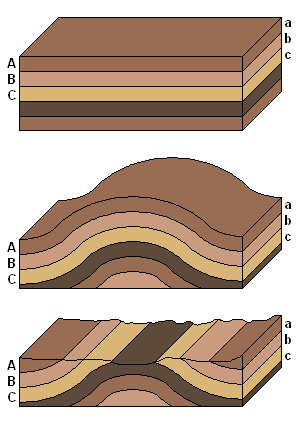
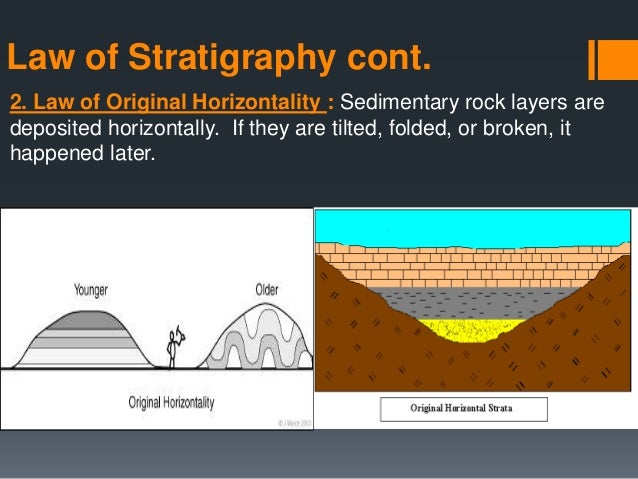
The Law of Original Horizontality suggests that all rock layers are originally laid down (deposited) horizontally and can later be deformed. This allows us to infer that something must have happened to the rocks to make them tilted. This includes mountain building events, earthquakes, and faulting.The rock layers on the bottom have been ...
.jpg?1571404083)
Original horizontality diagram
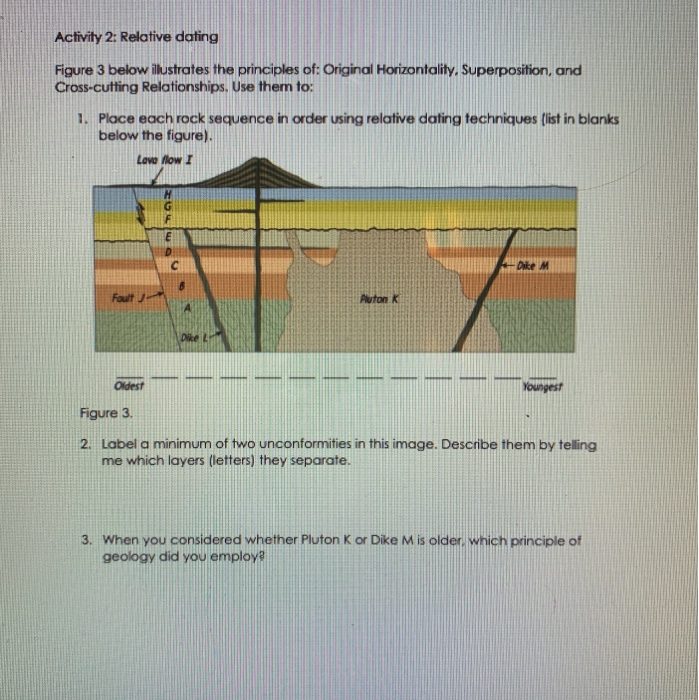
How many unconformities are in the diagram? 2. How many disconformities are in the diagram? 3. How many angular unconformities are in the diagram? 4. What principles did you use to determine the relative ages of the rock units? (Select all that apply.) A. Principle of Superposition B. Principle of Original Horizontality C. law of original horizontality Sedimentary rocks are always deposited as horizontal, or nearly horizontal, strata, although these may be disturbed by later earth movements. Source for information on law of original horizontality: A Dictionary of Earth Sciences dictionary. The principle of original horizontality - sedimentary strata are initially deposited as horizontal or nearly horizontal layers. Note: If sedimentary strata dip at an angle other than horizontal, or are folded into various angles of tilt, then the layers of rock have been tilted or folded after the layers originally formed.
Original horizontality diagram. The principle of superposition is simple, intuitive, and is the basis for relative age dating. It states that rocks positioned below other rocks are older than the rocks above. The image below shows a sequence of Devonian-aged (~380 Ma) rocks exposed at the magnificent waterfall at Taughannock Falls State Park in central New York. The rocks near the bottom of the waterfall were deposited first ... Fig. 3-27. Applying basic geologic principles: Laws of Original Horizontality, Superposition, and Cross-Cutting Relationships explain the order of this diagram with the order of formation: rock units C, B, A, D, then E (followed by surface erosion). Fig. 3-28. Original Horizontality. Sedimentary and volcanic units are also typically deposited on the Earth's surface in horizontal or nearly horizontal layers. Thus, if these rocks are tilted or dipping, then the layers must have been disturbed by fault rotation or folding sometime after the rocks were deposited (see Figure 3-9). Sep 27, 2016 - Applying basic geologic principles: Laws of original horizontality, superposition, and cross-cutting arelationships explain the order of this diagram with the order of formation:
Each feature is labeled with a unique letter. The order of the letters do not necessarily reflect the order in which the features formed. Examine the diagram, and answer the question that follows. Using the principles of original horizontality, superposition, and cross-cutting relationships, determine the missing step in the following order of ... In addition, Steno realized the importance of another principle, original horizontality, namely that strata are always initially deposited in nearly horizontal positions. Thus, a rock layer that is folded or inclined at a steep angle must have been moved into that position by crustal disturbances (i.e., mountain building, faults, or plate ... From this, four key ideas that help us determine the order of events in a landform diagram can be utilized to determine the geologic progression of a landscape. They include the law of original horizontality, the law of superposition, crosscutting relations, and unconformities. These ideas make it possible to help geologists determine events ... A landform diagram provides a window into the past, present, and future of our shared planet. Using the key ideas of uniformitarianism, the law of original horizontally, the law of superposition ...
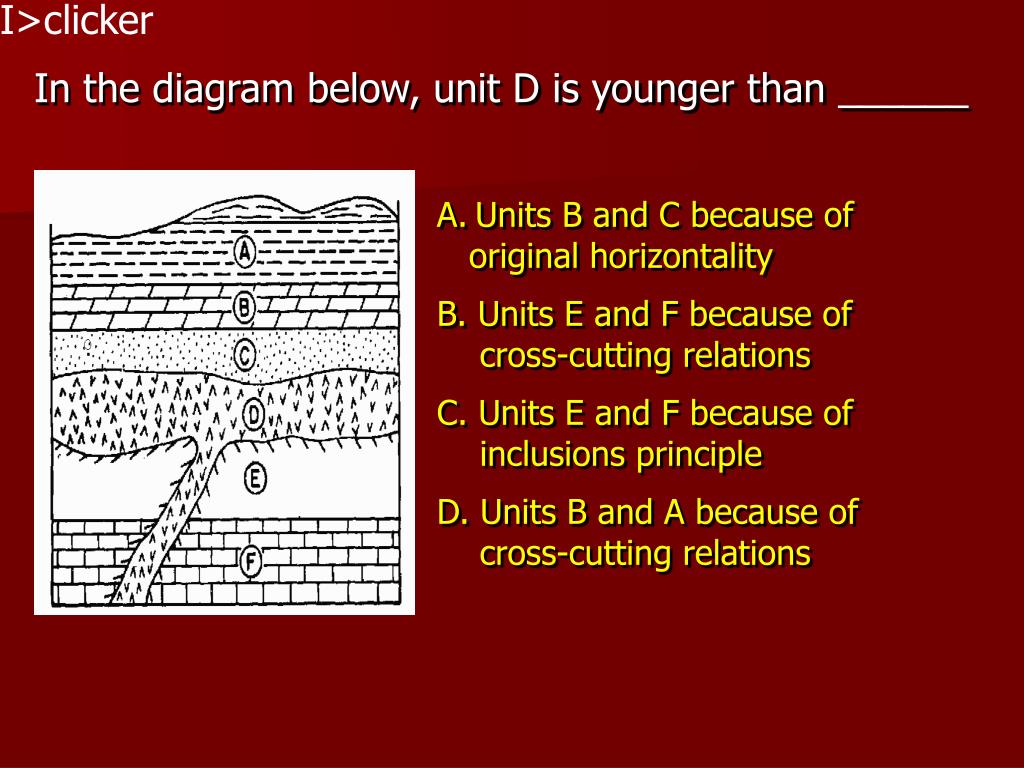
• Principle of original horizontality • Principle of lateral continuity • Principle of superposition • Principle of cross-cutting relationships Principle of Cross-cutting Relationships • Younger feature cuts through an older feature - Something must exist first to be cut by another thing • The 'things' cutting may be 'things ... Original horizontality - Sediments and volcanic units are usually deposited in flat-lying layers. Inclusions - Rocks may incorporate older pieces of rock. Place the events that formed the landscape shown in the correct sequence, from the first event at the top to the last event at the bottom. The principle of original horizontality. Sediments deposited or precipitated on the Earth's surface accumulate in horizontal layers. Therefore, if rocks are tilted, folded or metamorphosed, then these events must have followed deposition and lithification. See Original Horizontality and Superposition. The principle of lateral continuity Order of Geologic Events 3. Applying basic geologic principles: Laws of original horizontality, superposition, and cross-cutting relationships explain the order of this diagram with the order of formation: What is the order of geologic events that produced the sequence of rocks above?
Gallery Of Werk12 Mvrdv N V O Architekten 33
Order of Geologic Events 2. Applying basic geologic principles: Laws of original horizontality, superposition, and cross-cutting relationships explain the order of this diagram with the order of formation: What is the order of geologic events that produced the sequence of rocks below?
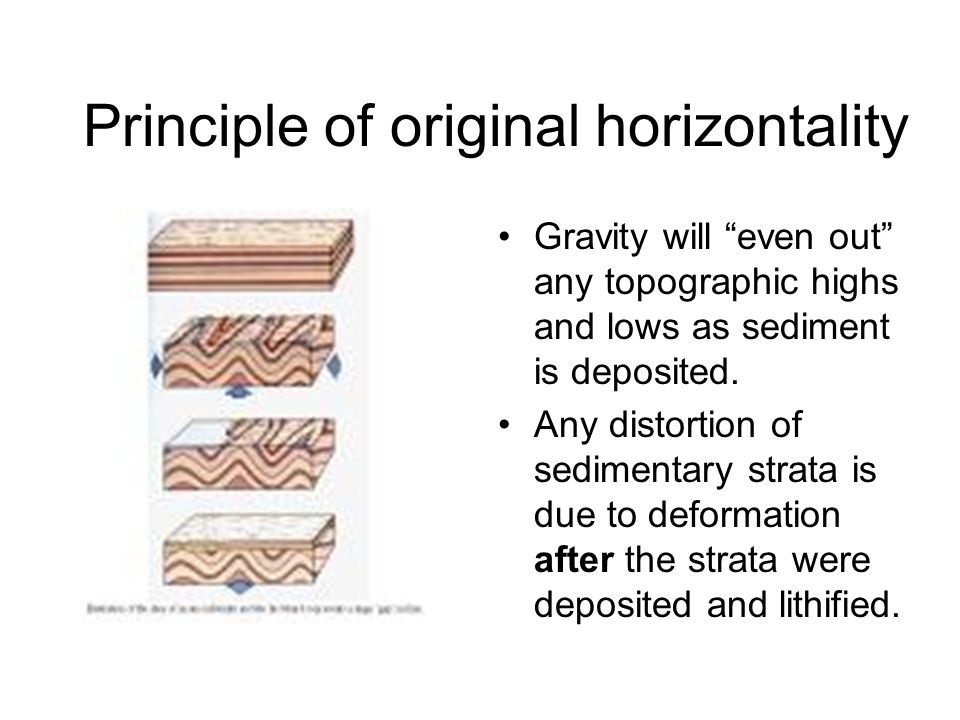
Relative Dating Methods And The Time Divisions Of Earth History Geology Ppt Download
(A, B, or C). 4. Which Geologic Law did you use to come to the conclusion you made in the previous question? a) The Principle of Superposition b) The Principle of Cross-Cutting Relationships c) The Principle of Original Horizontality d) The presence of Unconformities 5. Examine unconformities 1 and 2 indicated in Figure 9 (above).

File Milling Machine Diagram Svg Wikimedia Commons
THE LAW OF ORIGINAL HORIZONTALITY. In most situations where sedimentary layers are deposited (for example, on the floor of the ocean or a lake or on the floodplain of a stream), the layers are horizontal or close to horizontal. This observation is expressed as the Law of Original Horizontality. There are exceptions to the law (for example ...
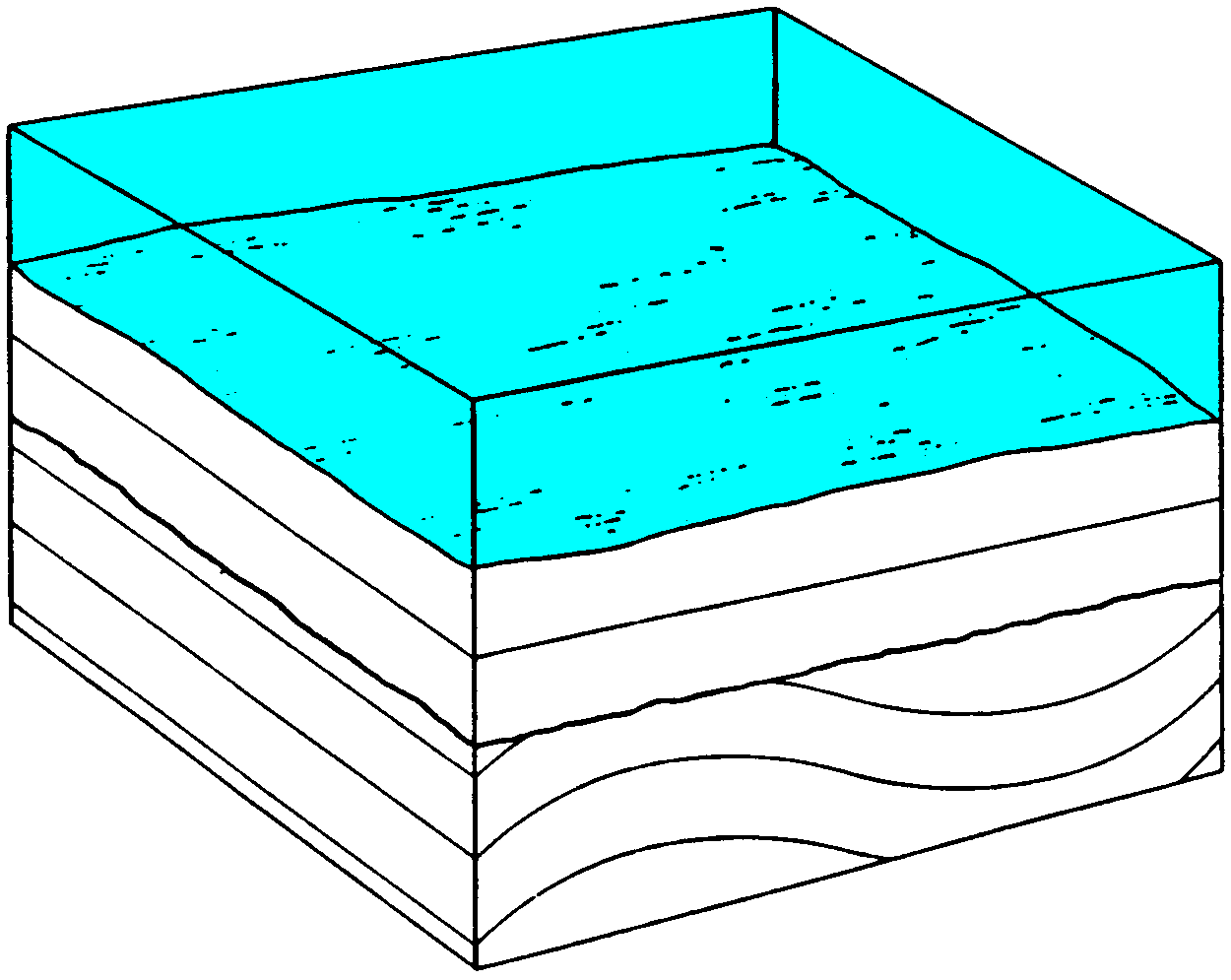
Geologic History
Know and understand: original horizontality, continuity, correlations and stratigraphic sequences, superposition, faunal successions, inclusions, and cross cutting relations. Learn to recognize the three different types of unconformities, various types of folds and 4 major types of faults. Use stratigraphy as the key to structure.

Diagram Of The Normal Stresses A Compression Normal Stress B And Download Scientific Diagram
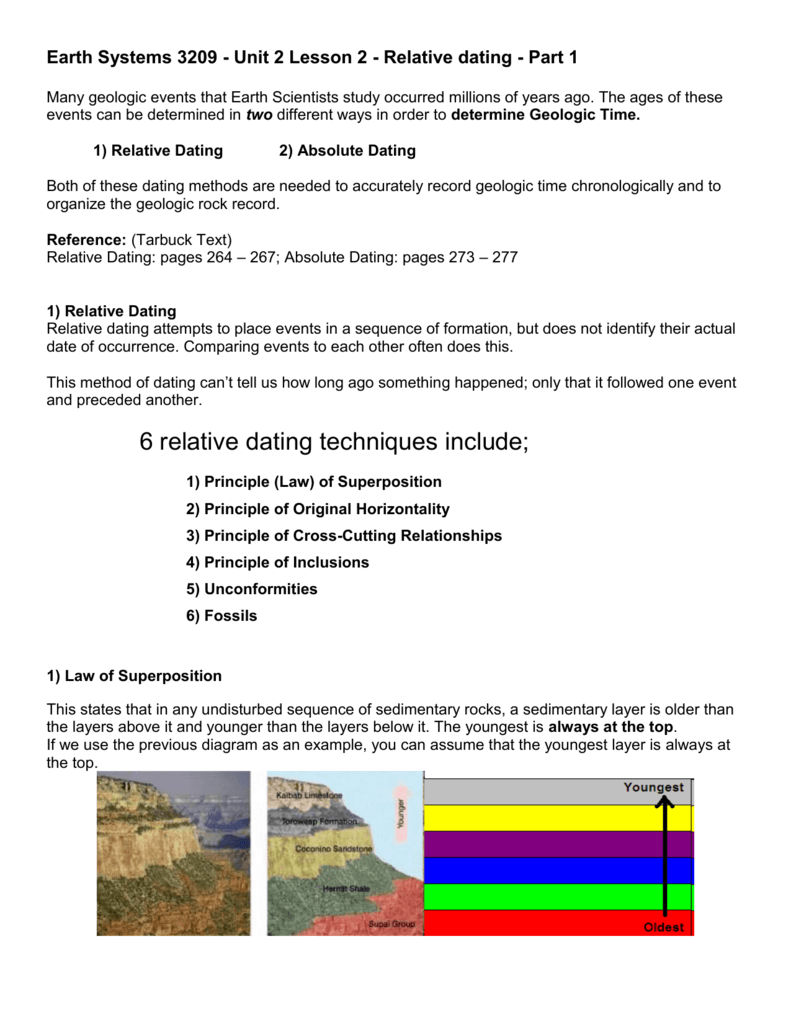
The diagram (left) shows a cross-section of the rocks exposed on the walls of the Grand Canyon, illustrating the principle of cross-cutting relationships, superposition, and original horizontality. In the lower parts of the Grand Canyon are the oldest sedimentary formations, with igneous and metamorphic rocks at the very bottom.

Order Of Geologic Events 3
Original Horizontality - Sediments usually form flat-lying deposits on the earth's surfacelying deposits on the earth's surface. Original Horizontality - Sedimentary rocks are horizontal because the original sediments were horizontalsediments were horizontal.

Bed Geology Wikipedia
26 Original Horizontality and Superposition . Elizabeth Johnson. In order to understand the structural diagrams we will use in this module, it is necessary to remember two principles of stratigraphy.. Stratigraphy is the study of layered sedimentary rocks.. The Principle of Superposition states: In an otherwise undisturbed sequence of sedimentary strata, or rock layers, the layers on the ...
Dna Replication Vector Diagram Stock Vector Royalty Free 199206998
The principle of original horizontality states that layers of sediment are originally deposited horizontally under the action of gravity. It is a relative dating technique. The principle is important to the analysis of folded and tilted strata.It was first proposed by the Danish geological pioneer Nicholas Steno (1638-1686).
Law Of Inclusions
The diagram called "Grand Canyon's Three Sets of Rocks" shows a cross-section of the rocks exposed on the walls of the Grand Canyon, illustrating the principle of cross-cutting relationships, superposition, and original horizontality.

Principle Of Original Horizontality Wikipedia
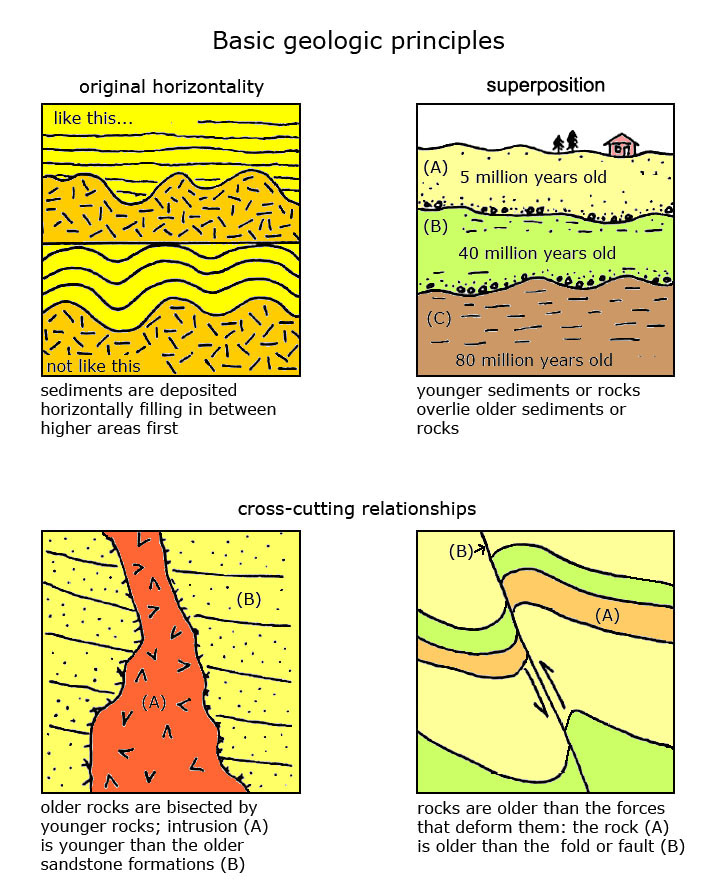
b) Original horizontality - if layers are even and horizontal, they are undisturbed. If layers are inclined or aren't horizontal anymore, they must have been disturbed 18.1 Sketch and label four simple diagrams that illustrate each of the following: superposition, original horizontally, lateral continuity, and cross-cutting relationships.

Principle Of Original Horizontality
The diagram called "Grand Canyon's Three Sets of Rocks" shows a cross-section of the rocks exposed on the walls of the Grand Canyon, illustrating the principle of cross-cutting relationships, superposition, and original horizontality.
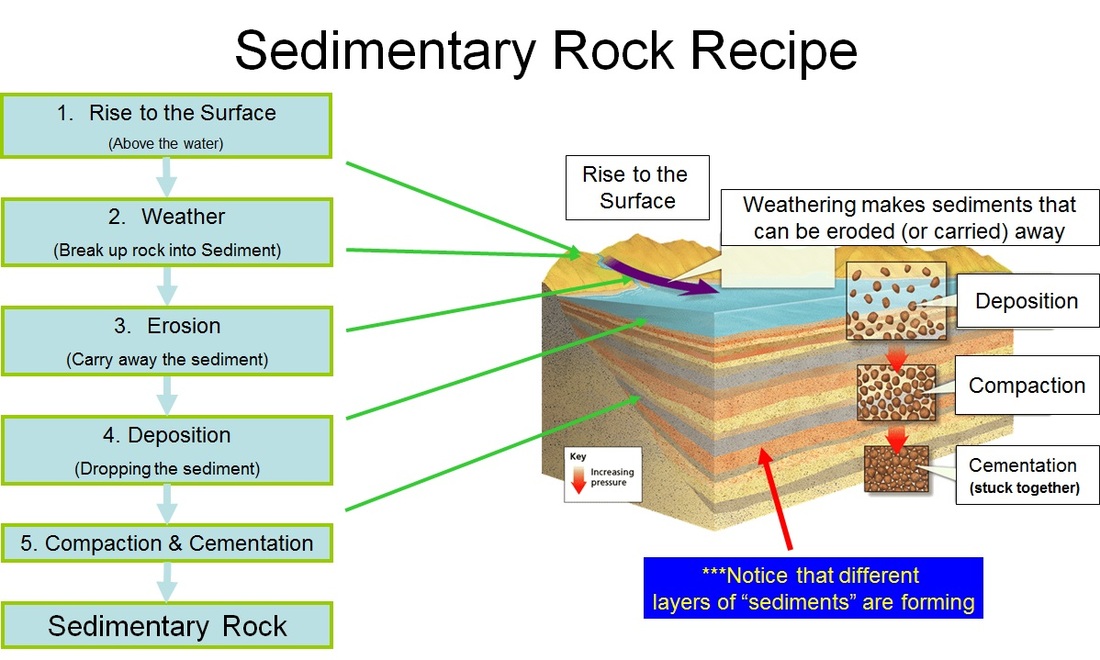
Relative Dating Techniques Vista Heights 8th Grade Science
The principle of original horizontality - sedimentary strata are initially deposited as horizontal or nearly horizontal layers. Note: If sedimentary strata dip at an angle other than horizontal, or are folded into various angles of tilt, then the layers of rock have been tilted or folded after the layers originally formed.
Universal Principles Justify The Existence Of Concept Cells Scientific Reports
law of original horizontality Sedimentary rocks are always deposited as horizontal, or nearly horizontal, strata, although these may be disturbed by later earth movements. Source for information on law of original horizontality: A Dictionary of Earth Sciences dictionary.

Introduction To Dating Methods And The Role Of Stratigraphy In Understanding Geologic History Geology Modification For Lehman College Cuny
How many unconformities are in the diagram? 2. How many disconformities are in the diagram? 3. How many angular unconformities are in the diagram? 4. What principles did you use to determine the relative ages of the rock units? (Select all that apply.) A. Principle of Superposition B. Principle of Original Horizontality C.
Ppt Geologic Time Deciphering Earth History And Creating A Time Scale Powerpoint Presentation Id 1148560

Relative Age Dating Vs Exact Age Dating Ppt Video Online Download

Relative Age Quiz Ppt Download
Geol 104 Deep Time How Old Is That Fossil

Principle Of Original Horizontality Earth Science Principles The Originals

Geologic Structures Physical Geography

How A Landform Diagram Describes The Geological Progression Of A Landscape Video Lesson Transcript Study Com
Principles Of Stratigraphy
A B Figure A 1 In Figure A Which Of The Following Rock Layers Is The Oldest 1 Mk A A Bj B C C 2 Which Geologic Law Did You Use
1

A2 5 4 Dating Relative Dating Diagram Quizlet

Inclusion Original Horizontality Superposition

Gallery Of K Villa Space Architecture 43
Materials Free Full Text Numerical Study Of Joule Heating Effects On Microfluidics Device Reliability In Electrode Based Devices
Relative Age

File Dose Calibrator Diagram Png Wikipedia

Mrs Flynt S Wiki Page Law Of Original Horizontality

Russell S Solitary Wave Solitons Occur In Shallow Water Channels A Download Scientific Diagram

Horizontality Liberal Dictionary

Chapter 8 Timing The Geologic Record Flashcards Quizlet
Solved Activity 2 Relative Dating Figure 3 Below Chegg Com

Relative Ages Of Rocks Earth Science
Gotbooks Miracosta Edu
1
File


Comments
Post a Comment