38 garlic plant diagram
designing plant layout, which we will discuss later in the unit. But as we are discussing about the advantages of a good plant layout, we wee that a proper plant layout helps us in reducing cost of operation, which is very important for survival of any industry. A good plant layout, in general, has the following advantages. R O A D 3 5 4 1 2 6 ... Garlic Plant Diagram. Directions. Use the word bank to help you identify the parts of garlic that are marked with a letter (i.e. “A”).
Stem tuber is a swollen tip of an underground lateral Stem (Stolon). It is covered by a corry Skin with a number small depressions called eyes’. Each eye represents a node, bearing one or more buds subtended by a leaf scar (= scale leaf). A big scar at one end (heel end) of a potato marks its attachment to the stolon.
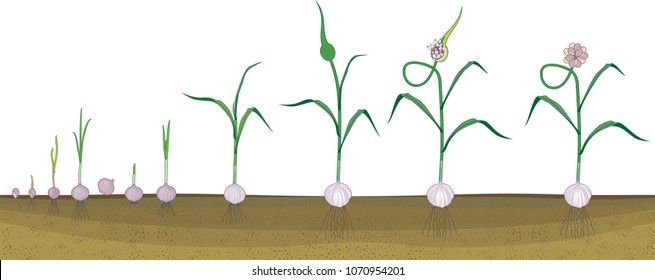
Garlic plant diagram
Many plants have antimicrobial action due to their vital oil elements present in their extracts. Several scientists have described the antimicrobial action of vital oils from oregano, thyme, sage, rosemary, clove, cinnamon, garlic, cayenne, pepper, celery, chives, ginger, savory and onion against microbes [2-4]. Various naturally derived Garlic produces an average of 7 roots per plant. In clay loam soil, the roots dig down as deep as 59 cm. Sufficient moisture is essential within the root zone during the vegetative growth. The frequency of irrigation depends on the soil type and on the rainfall during the growing period. Clay loam is irrigated thrice. Garlic is wonderful for adding flavor to any number of savory dishes. You can roast it with tomatoes to make a delicious sauce, add it to pasta, soup, meat dishes, make garlic bread…the possibilities are endless!Garlic is also wonderful because it keeps well and can be enjoyed months after it is harvested from the garden.
Garlic plant diagram. Alliums (leeks, chives, garlic, garlic chives): All parts of these plants are edible. The flowers tend to be stronger flavoured than the leaves. Suitable for salads, in egg dishes such as omelettes and in soups. Also see the wikipedia entry on garlic. Other parts of the garlic plant are also edible. Garlic plants do have different colored flowers. Purple is a very common color, as is lavender. The anthers – the part of the plant that produces pollen – are often a different color or shade than the flower petals. Some garlic has purple anthers (these tend to produce more seed) with white, cream or pale pink flowers. Illustration about Parts of garlic plant. Morphology of plant with english titles. Illustration of garlic, drawing, root - 124941793 Garlic Is Growing Round Bulbs. The earliest use of garlic (Allium sativum) dates back to ancient Egypt, 5,000 years ago, and in other countries as far back as 4,000 years ago, but it is only since ...
Cultivation — Allium sativum is a perennial flowering plant growing from a bulb. It has a tall, erect flowering stem that grows up to 1 m (3 ft). The leaf ... Little information was found on N uptake or removal by garlic plants. A study in India by Thangasamy and Chavan (2017) reported N partitioning to garlic plants was 8.4 kg N Mg −1 fresh bulb, but ... Garlic (Allium sativum L.) is an essential vegetable in human food, and its production chain is a source of job and income generation for the producer.Garlic plant variables, such as total plant mass, floral tassel length, leaf length, leaf width, number of leaves, dry mass, pseudostem diameter, number of cloves, mass of clove, and root mass, were studied by Oliveira et al. (2020a). 17-06-2015 · Garlic is planted in the fall and should be grown on raised beds covered with black, green IRT (infrared transmitting), or blue plastic mulch with drip irrigation. On smaller operations garlic is often "set" or planted by placing each clove by hand into raised beds with rows 6-12 inches apart and cloves spaced 4-6 inches apart (depending on the size bulb grown).
Students chop: onion, tomato, cilantro, garlic scapes, jalepenos, and corn. Once ingredient is chopped, add to large bowl. Add salt and pepper, mix, and serve with tortilla corn chips. Eat! Do a "liked, loved, tried" chart. Part III (optional): Each student picks a piece of paper and a clipboard to go on a garden walk. A garlic bulb consisting of several smaller sections called cloves is shown. If cloves are separated from the bulb and later planted in a garden, a new garlic bulb will grow from each. In this way, a home gardener could grow a whole crop of genetically identical garlic plants starting with one bulb. As a result of this procedure, the gardener would Sep 21, 2017 · Garlic roots do not penetrate deeply into the soil, making good, consistent watering, and proper drainage important. The plants like a rich soil with plenty of nitrogen and full sun. Plant the bulbs in the fall, and you can begin to harvest your first shoots the following spring. Garlic plants have three major parts: the scape, leaves, and bulb. I group plants together by family and come up with a plan that allows me to get everything in my garden that I want. The diagram above is a little simplified, I grow more than just these crops, but this is enough to give you the right idea. Then every year I plant all the same plants together, just the same as last year, but in a different bed.
Garlic plant Images, Stock Photos & Vectors | Shutterstock
Find Garlic plant stock images in HD and millions of other royalty-free stock photos, illustrations and vectors in the Shutterstock collection.

Garlic Plant - Growing Garlic
4.he diagram below shows the relative lengths of the cell cycle in actively dividing cells taken T only from the root tip of a garlic plant. (a) Describe the changes that occur to a plant cell during prophase.

Stages of garlic plant sprouting | Blossom flower, Drawing ...
vector diagram showing parts of garlic whole plant - agricultural infographic scheme with labels for education of biology - umbel capsule, scape, leaf, ...

Garlic Questions | HowStuffWorks
17 Apr 2020 — Download this Vector Diagram Showing Parts Of Garlic Whole Plant vector illustration now. And search more of iStock's library of ...

Garlick, identification, tips, and diseases. all in one for ...
To make garlic planting easy soil should be well prepared first, placing your garlic cloves at the right spacings and planting them the right distance below ...

Micropropagation of Allium sativum L. (Garlic) | Download ...
The best time to plant garlic is in the fall approximately four to six weeks before the ground freezes in your area. The colder your climate is, the earlier in the fall that you should plant. That means the garlic is usually ready to harvest in early to mid-summer, which can be anywhere from July to August.

Garlic Plant Varieties - Learn About Common Garlic Types In ...
Filaree Garlic Farm has been an independently owned grower and supplier of premium quality garlic seed. Filaree Garlic Farm serve organic gardeners, plant nurseries, and small-scale commercial growers. Our garlic is heirloom, non-GMO, certified organic!
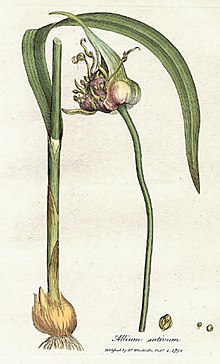
Garlic - Wikipedia
Garlic is best planted in the fall while temperatures are slightly cooler but before the ground is frozen. The bulb is divided into individual cloves for the best results. Each clove is planted about 8 inches apart in the soil and about 2 inches deep with the pointed end up. Growing The clove will begin to send out roots and feed during the fall.

Developmental stages of juvenile garlic seedlings. a ...
Monocotyledons are any plants that have flower parts in multiples of three, leaf veins that run parallel and adventitious roots. Common examples include tulips, onions, garlic and lilies. Learning ...

Garlic - an overview | ScienceDirect Topics
When to plant white clover seeds. Wayne tankersley is a retired university of georgia extension agent. To plant in spring, make sure the last frost has occurred, and that nighttime temperatures are staying above 40° f (4° c). Red clover is often confused with crimson clover. A groundcover with more potential in shade is dichondra.

Expert advice on growing Garlic - GardenFocused.co.uk
Garlic mustard (Alliaria petiolata) is a biennial herb native to Europe.(Biennial means the plant sends up leaves in its first year and typically flowers in its second.) Brought to the United States in the 1800s as an edible, it has since spread across the northeastern US, the midwest, as far south as Alabama, and as far west as Washington and Oregon.
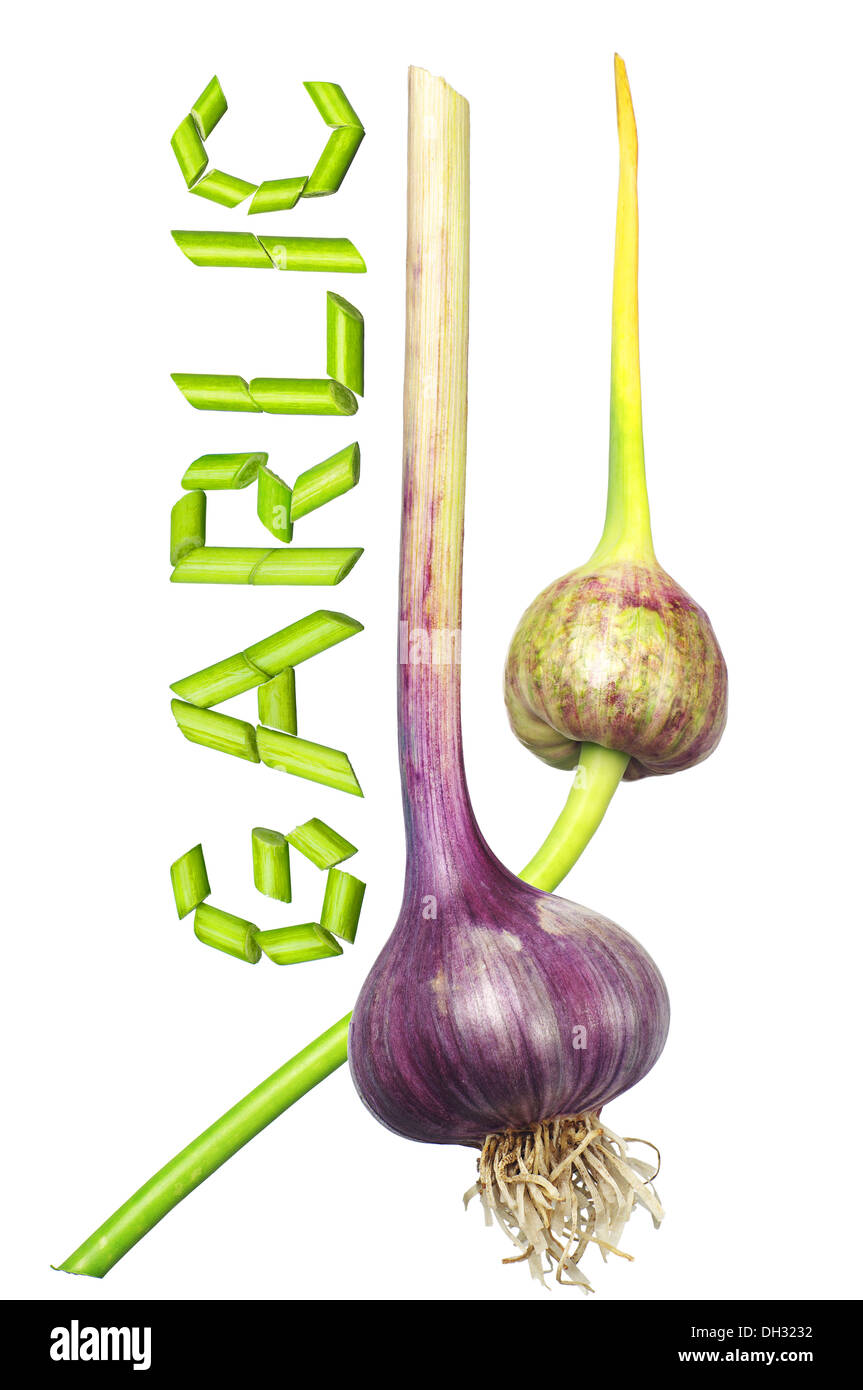
Fresh garlic with roots, seeds, and the word of garlic ...
Garlic can grow well in cold climates including some parts of Alaska. Zone 3-5: Plant garlic in late September to early October. Zones 5-7: Plant in mid to late October. Zones 7-9: Plant in late October into November. Zones 9-10: Plant from late October into December. Make sure to select garlic types (like softnecks) that need less cold ...
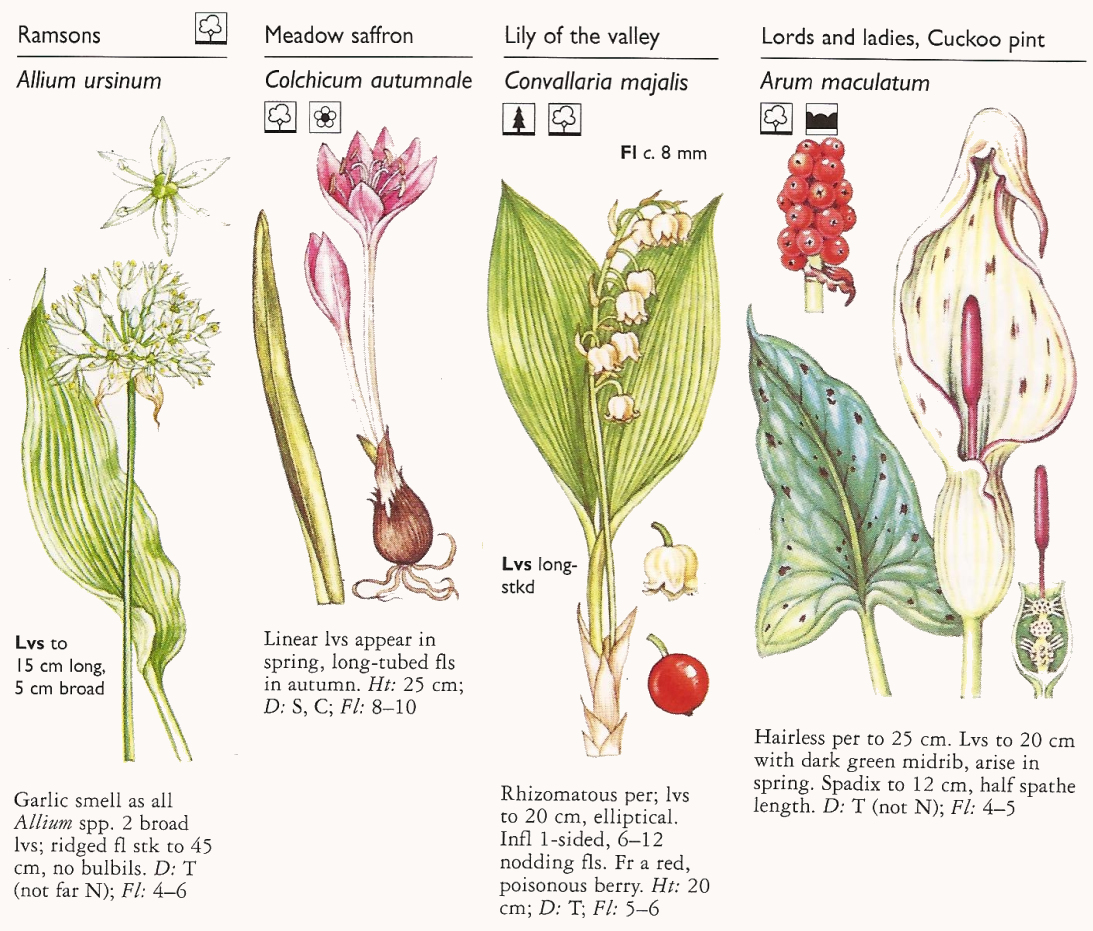
Ramsons: Wild Garlic (Allium ursinum)
Equipment Diagram garlic clove with growing root tip glass slide and coverslip scissors water bath at 55 °C small bottle with lid or laboratory stretch film hydrochloric acid 1 mol dm−3 acetic orcein stain in a small bottle or vial two dissecting needles paper towels microscope
Garlic
Find the perfect garlic plant drawing stock photo. Huge collection, amazing choice, 100+ million high quality, affordable RF and RM images.

Growth stage of shallot (a-d) and garlic (e-h): (a and e ...
Growing Garlic: Seed Selection, Soil Prep, Planting, Harvesting, curing and Storage of garlic.

Gallery For > Garlic Plant Drawing imgarcade.com288 ...
Oct 24, 2021 · Plant the garlic cloves. Divide the bulb into individual cloves, keeping the papery skin intact. Plant the cloves 4 inches apart and about 2 inches deep. Make sure that the flat root side is pointing down and the tapered side is pointing up - otherwise the garlic will grow in the wrong direction.

Garlic plants at the time of harvesting during full maturity ...
About Garlic Spacing. Proper spacing of rows and plants allows garlic to take up a sufficient amount of nutrients for optimal yield. Dig your rows at least 10 to 12 inches apart. When you plant ...
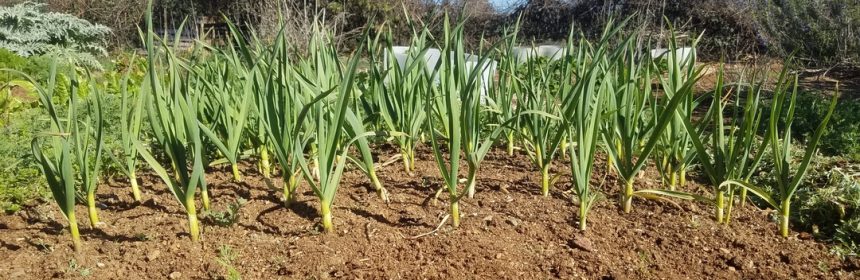
Planting Onions and Garlic - Efundies.com
Garlic roots, botanically classified as Allium sativum, are the long, slender taproots of the garlic plant, belonging to the Amaryllidaceae or lily family along with chives, shallots, and onions. The roots descend from the developing bulb during the plant’s growing cycle, generally in the fall and winter before the ground freezes, and when ...
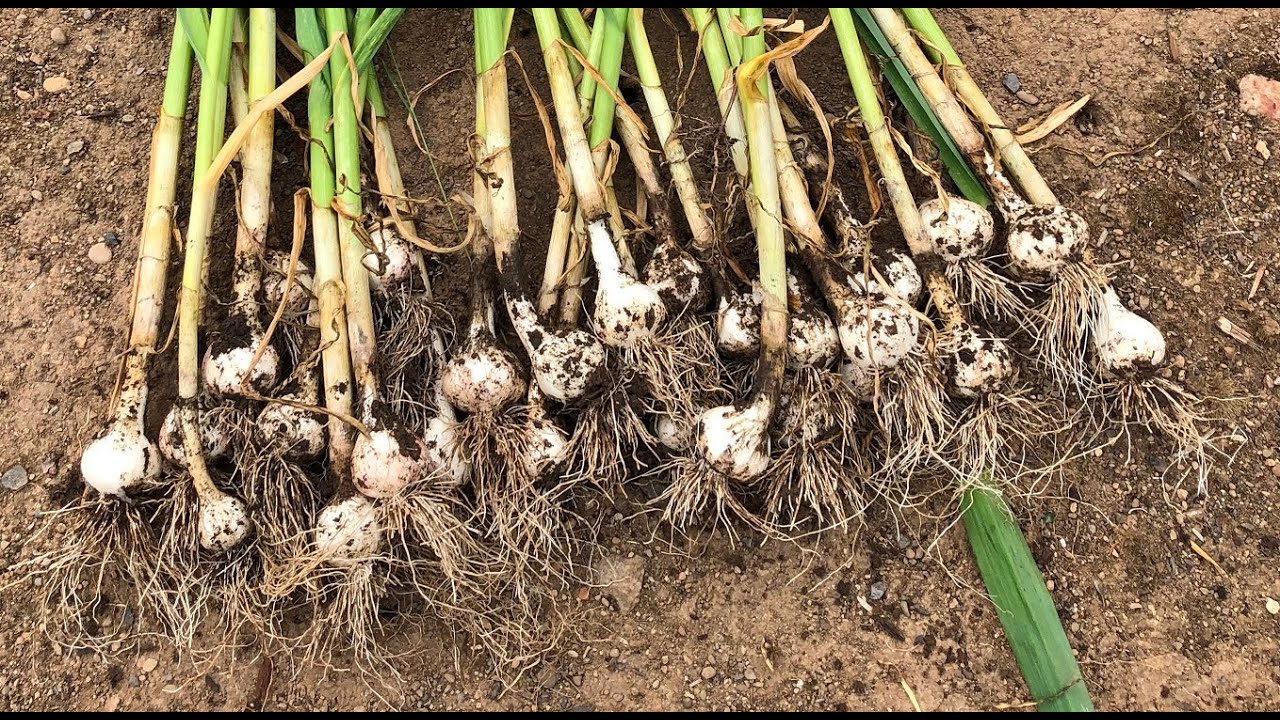
SHEDWARS21: Gardening: Ep23 How I Plant My Garlic - YouTube
This Special section guides you to information that you're looking for about garlic. It is intended to educate you about the 10 cleary different varieties of garlic and an eleventh group of garlics that are unclassified and don't fit into any of the established varieties and are unique with generally predictable characteristics but they are truly in a class by themselves .
Mechanism of Allium Crops Bulb Enlargement in Response to ...
Garlic is wonderful for adding flavor to any number of savory dishes. You can roast it with tomatoes to make a delicious sauce, add it to pasta, soup, meat dishes, make garlic bread…the possibilities are endless!Garlic is also wonderful because it keeps well and can be enjoyed months after it is harvested from the garden.

Garlic glossary | Plant drawing, Vegetative reproduction ...
Garlic produces an average of 7 roots per plant. In clay loam soil, the roots dig down as deep as 59 cm. Sufficient moisture is essential within the root zone during the vegetative growth. The frequency of irrigation depends on the soil type and on the rainfall during the growing period. Clay loam is irrigated thrice.

Garlic Life Cycle. Consecutive Stages of Growth from Bulbil ...
Many plants have antimicrobial action due to their vital oil elements present in their extracts. Several scientists have described the antimicrobial action of vital oils from oregano, thyme, sage, rosemary, clove, cinnamon, garlic, cayenne, pepper, celery, chives, ginger, savory and onion against microbes [2-4]. Various naturally derived
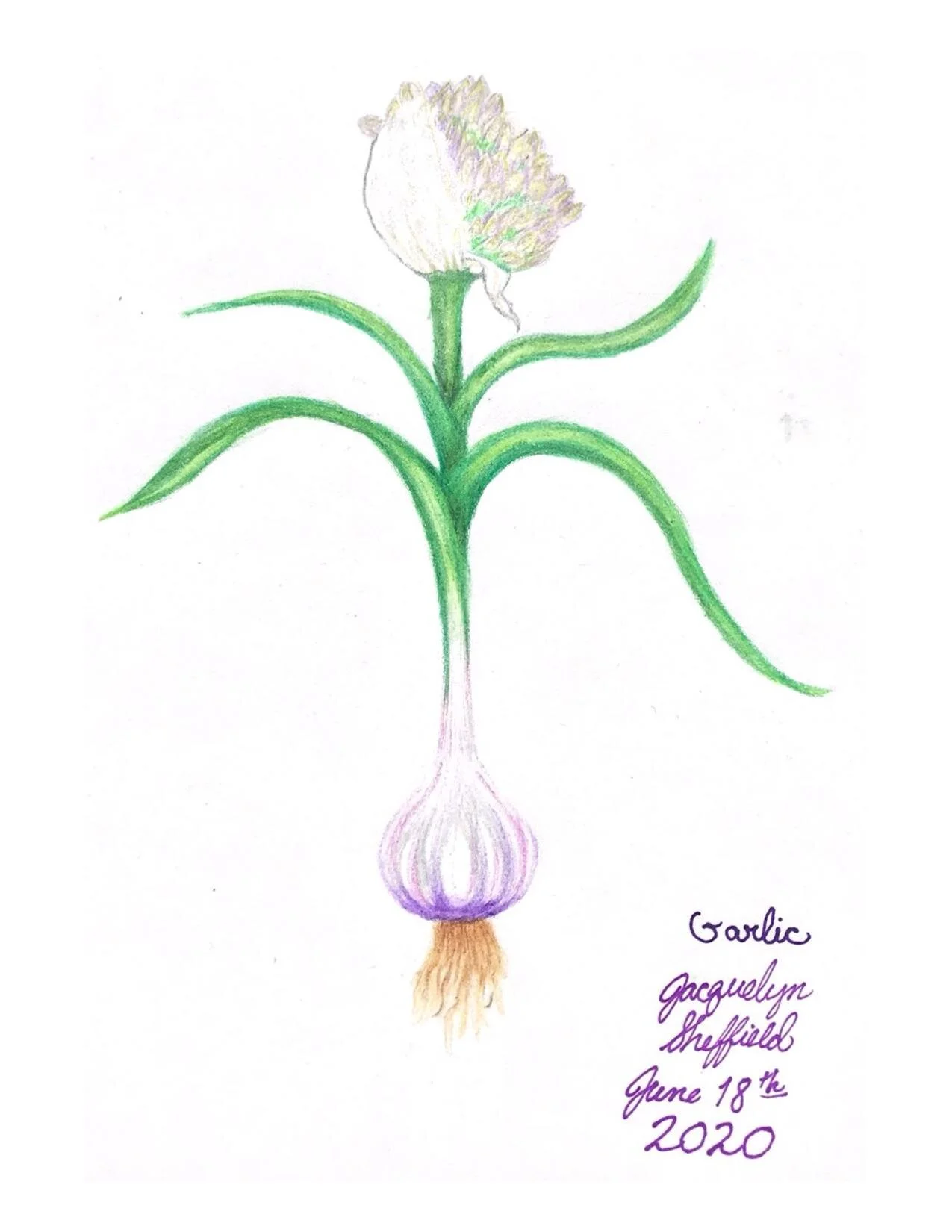
Garlic Monograph — Max The Herbalist

Plant samples: (a) Garlic bulbs, (b) green onion leaves, (c ...

Garlic Allium Sativum , Edible and Medicinal Plant Stock ...
Growing Garlic
:max_bytes(150000):strip_icc()/harvesting-garlic-1402402_FINAL-a6af5d2ed4fa49939c6f66c3c98c35dc.png)
How to Harvest and Store Garlic

Vintage cultivated garlic plant vector - stock vector ...
The diagram below is an illustration of the longitudinal ...

Parts of Garlic Plant. Morphology of Plant with Titles Stock ...
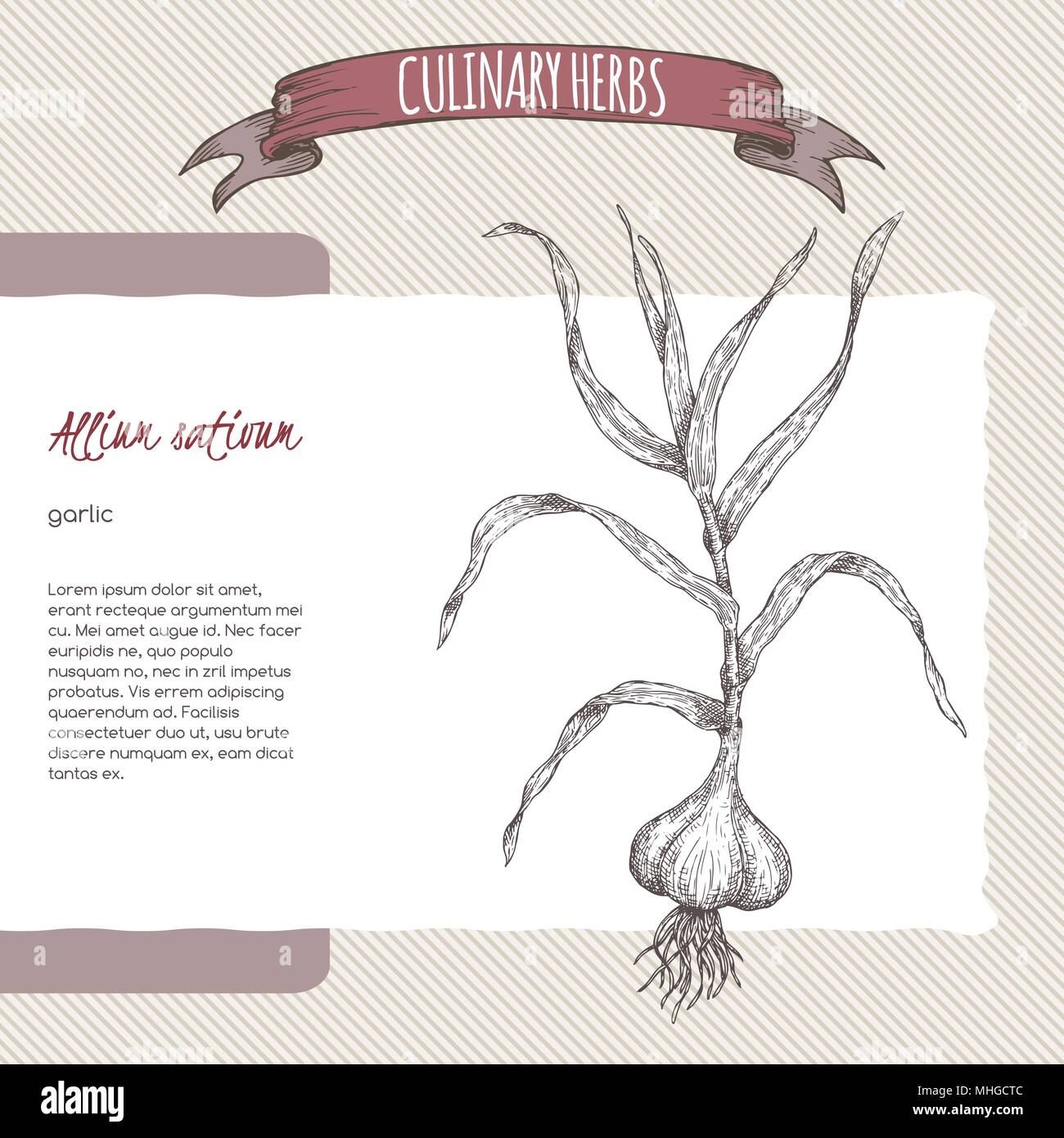
Garlic Plant Drawing High Resolution Stock Photography and ...
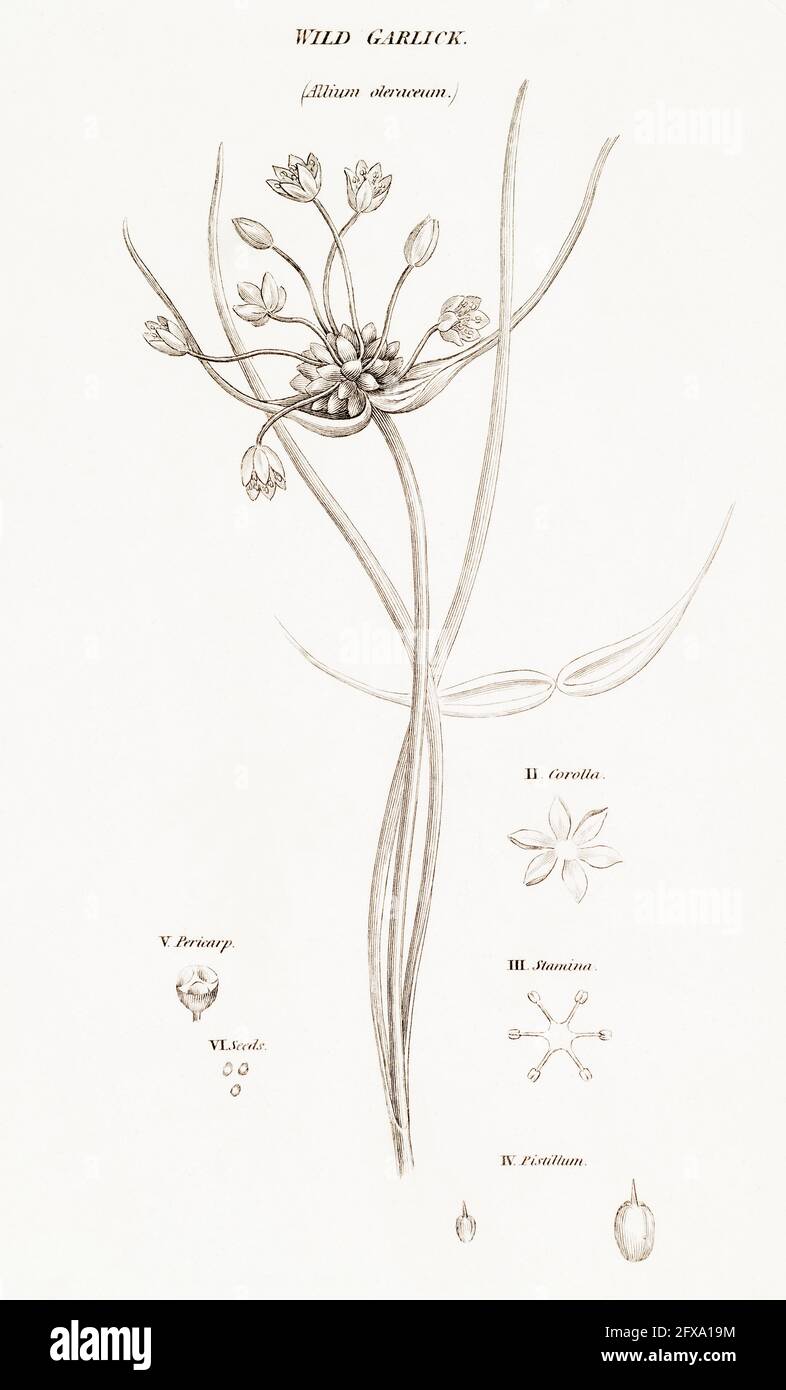
Garlic Plant Drawing High Resolution Stock Photography and ...
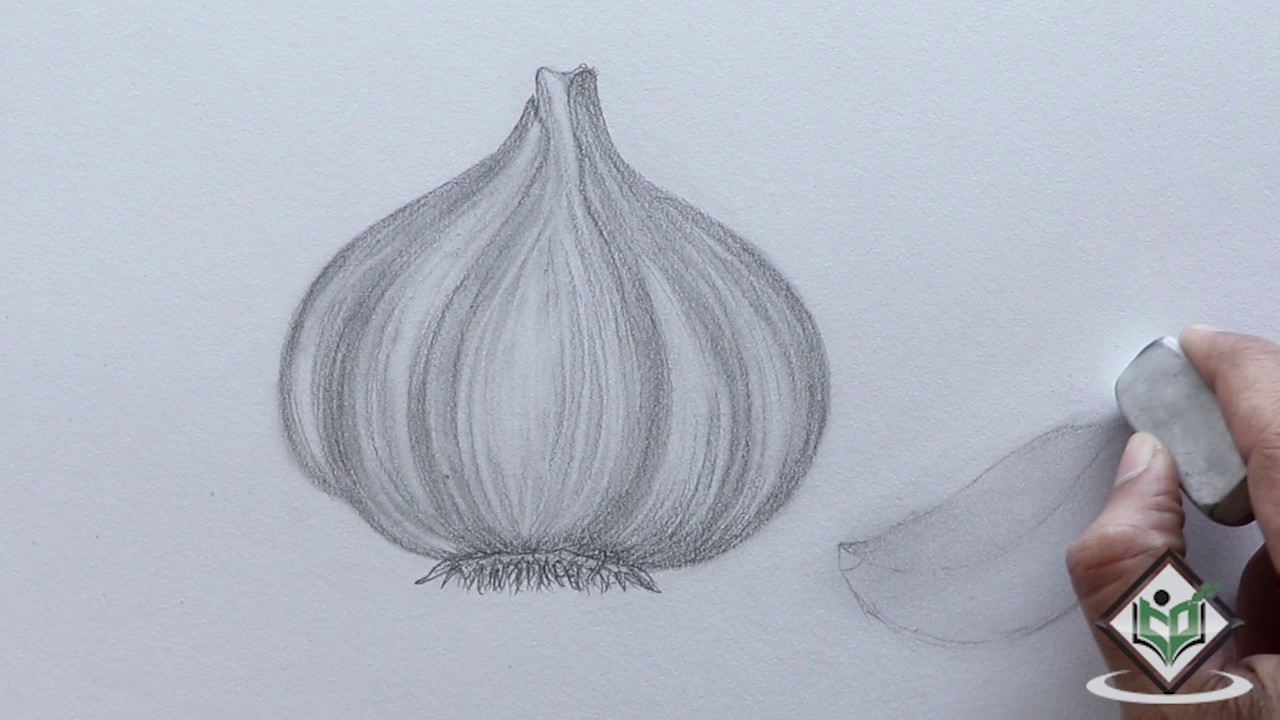
How to Sketch a Garlic
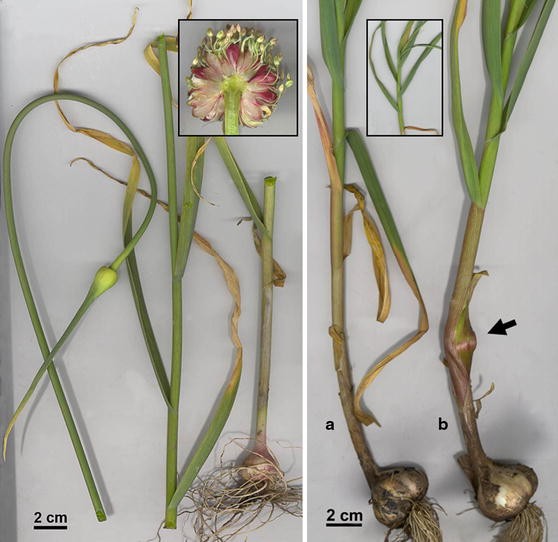
Comparing costs for different conservation strategies of ...

Garlic plant, garlic bulb, clove and cut slice, isolated hand ...

Residue Distribution and Risk Assessment of Bifenazate and ...

Garlic Flower Drawing Vector Images (over 140)

Growth stages from bulb differentiation to bulbing in garlic ...


Comments
Post a Comment