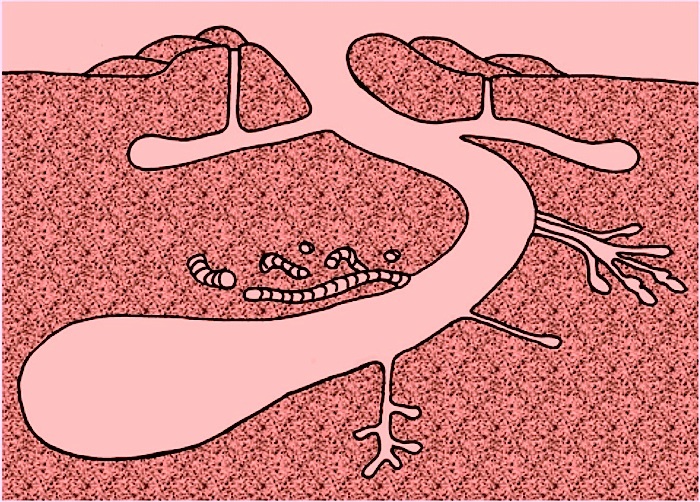
39 gopher tortoise burrow diagram
Vertebrate Use of Gopher Tortoise Burrows and Aprons Michelina C. Dziadzio1'2'* and Lora L. Smith1 Abstract - Gopher Tortoise ( Gopherus polyphemus) burrows are used by more than 60 vertebrate species, but the frequency with which species use burrows and the extent to which other vertebrates use the mound of sand at the burrow entrance, called the bur- row apron, … Apr 15, 2015 - gopher tortoise burrow diagram - Google Search
Description: The Gopher Tortoise is the only tortoise in the Southeast and can easily be distinguished from the box turtle (our only other fully terrestrial turtle) by its large size, rigid, unhinged plastron (bottom of shell) and its stumpy, unwebbed feet.Adult Gopher Tortoises are large 9-15 in (24 - 38 cm) and are tan or brown above with a yellowish plastron.

Gopher tortoise burrow diagram
Gopher tortoises grow to be up to 15 inches long and weigh from eight to 15 pounds. With their strong elephant-like back legs and front feet specialized for digging, they are well-adapted to burrowing. The burrows provide gopher tortoises with protection from predators and from the elements by maintaining a fairly constant environment inside. Burrows. In gopher tortoise ecology, burrows are important. It is a refuge that defends and protects them from predators, fire, and changes in the season and temperature. As said before, they spend 80% of their time in their burrow. There, they rest and defecate. Still, when outside, their activities are centered around their burrows. Burrow widths varies with the length of the tortoise, as it needs to be wide enough for the tortoise to turn around in the burrow. So this means a 30-cm (12 in) wide burrow can accommodate a tortoise of that length or less. The powerful front limbs of tortoises are specially adapted for digging, ending in flat, spade-like feet with stout claws.
Gopher tortoise burrow diagram. tubular-shaped blooms of scarlet wild basil, while a gopher tortoise slowly moves through clumps of wiregrass, sandhill milkweed and gopher apple towards its burrow. If you live in South Georgia, this beautiful scene could be in your backyard. However, if you're from North or Central Georgia and encounter this landscape while traveling Gopher tortoise burrows range in length and depth with an average length of 15 feet and depth of 6.5 feet. One burrow was found to be over 45 feet long. Many people believe tortoises and turtles are the same animal, but this is far from true. Tortoises and turtles are uniquely adapted to live in different environments. The gopher tortoise (Gopherus polyphemus) is a species of tortoise in the family Testudinidae.The species is native to the southeastern United States.The gopher tortoise is seen as a keystone species because it digs burrows that provide shelter for at least 360 other animal species. G. polyphemus is threatened by predation and habitat destruction.. The gopher tortoise is a representative of ... The burrow is clear but many of the species are hard to determine. Average The burrow is depicted and species are evident Good THe burrow is depicted and species are identified and are well organized. Challenge activity: Create a model or drawing of a gopher tortoise burrow.
Download scientific diagram | Figure A12. Available gopher tortoise habitat and pilot survey design. from publication: Gopher Tortoise Survey Handbook | The gopher tortoise (Gopherus polyphemus ... Gopher tortoises grow to be up to 15 inches long and weigh from eight to 15 pounds. With their strong elephant-like back legs and front feet specialized for digging, they are well-adapted to burrowing. The burrows provide gopher tortoises with protection from predators and from the elements by maintaining a fairly constant environment inside. They On top of the mounds are plug holes that seal the entrance and also act as a barricade for predators. Below is a diagram of a gopher’s burrow system to illustrate the structure and enlargements. Gophers have many predators including snakes, coyotes, skunks, and more. Snakes could easily enter a gopher’s burrow if the plug was not in place. Gopher Tortoise Burrow Ecology - Illustration@Science-Art.Com. 5 of 49. « Return to Member Gallery Member Gallery. Aquatic Terrestrial Food Web. by. Eel Grass Bed Ecology. by.
Gopher Tortoise Burrow Diagram + Coloring Page "What Do You Know About Lionfish?" Workbook 12 Animal Walks to Get Kids Moving Bookmark Matching Game Explore! Scavenger Hunt: Wildlife Discovery Explore! Scavenger Hunt: Fishing Explore! Scavenger Hunt: Paddling Explore! Scavenger Hunt: Archery Coloring Pages: Beaver, Deer, Coyote, Raccoon ... Download scientific diagram | Use of calipers to measure the width of a gopher tortoise burrow. Measurements should be taken in metric units (mm or cm) at 50 cm inside the burrow entrance. from ... ULTSCH AND ANDERSON-GOPHER TORTOISE BURROWS 0 A A A * * 0 A AL 1 2 0 AA 0 A >^. 0e 0 * 0 o o 0 O Oo 3 4 o o0 o oo A A 0: * ^ A A A GREENWOOD PLANTATION CLAY TALL TIMBERS WADE TRACT (CLAY-SAND) INTERLACHEN AND ORDWAY (SAND) 2 3 4 LENGTH OF BURROW (m) Fig. 1. Respiratory gas concentrations (dry gas %) at the apparent ends of Gopher Tortoise ... Read the passage "Gopher Tortoise" in the box below. The gopher tortoise is a native reptile of. Florida and is very important to the ecosystem. The gopher tortoise digs underground burrows that are used by over 300 other species of animals. Some of these animals share these burrows on a regular basis, while others only
gopher tortoise burrow diagram - Google Search | MSM ...
End chamber diagram . Build a Burrow Florida Fish and Wildlife Conservation Commission Page 5 of 10 ... • To facilitate one-way burrow traffic, it is highly recommended that an exit be created. • Simply cut a straight line through the burlap at the back portion of the burrow, and hem the edges (see Figure 6). Build a Burrow Florida Fish and Wildlife Conservation Commission Page 8 of …
Gopher Tortoises, Making Deep and Meaningful Burrows ...
In the wild, gopher tortoises do dig several burrows throughout their home range. However, in suburbia where conditions are more crowded and there is less habitat, it appears that tortoises have fewer, or even only one burrow. It is hard to say about your tortoise; if it has only been there three months, it may move on during another time of ...

Earth Teach Me: Of Gophers and Salamanders
Your email address will not be published. Burrow widths varies with the length of the tortoise, as it needs to be wide enough for the tortoise to turn around in the burrow. Holes made by a gopher tortoise are almost exactly shaped like its shellâ more of an oblong circle that is flattened on the bottom then a totally circular hole. FWCWebmaster March 30, 2016. Auburn University . …

Probability that the gopher tortoise burrow observed was ...
2006). Preferred gopher tortoise soil for good burrow construction is humus-poor, extremely well-drained, relatively deep to deep, with fine to coarse sand, and often has high quartz sand content. Preferred tortoise burrow soil does not consist of loamy or clayey subsurface horizons, fragipans, well-developed argillic horizons with clay, or

-Gopherus agassizii burrow and nest. A) Nesting burrow at ...
Download scientific diagram | Gopher tortoise burrow site selection probability as a function of (A) soil resistance, (B) distance to edge, and (C) percentage of herbaceous cover in the coastal ...
Gopher holes can damage Cambria gardens; here's how to ...
Why Is This Gopher Tortoise Head-Banging? Gopher tortoises are considered a keystone species because many other species rely on their burrows to survive.

Condition of the adult Agassiz's desert tortoise Gopherus ...
Burrows are used by tortoises to avoid predation, escape fire and smoke and maintain constant temperature and humidity (Douglass and Layne 1978). Gopher tortoises often bask in the open, sandy apron of the burrow, as well as occasionally create nests there (Diemer 1986). On

Welcome to Florida: December 2010
A gopher tortoise burrow may be a residence or temporary shelter for approximately 300-400 species of mammals, birds, reptiles, amphibians and invertebrates, but not all will live there at the same time, These burrows are important for wildlife biodiversity and are protected by law, The gopher tortoise is called a keystone species because its burrow is needed for many other …
Closeup of skeleton pelvic model
Here’s what biologists with the Florida Fish and Wildlife Conservation Commission (FWC) saw when they used a video camera to examine a gopher tortoise burrow...
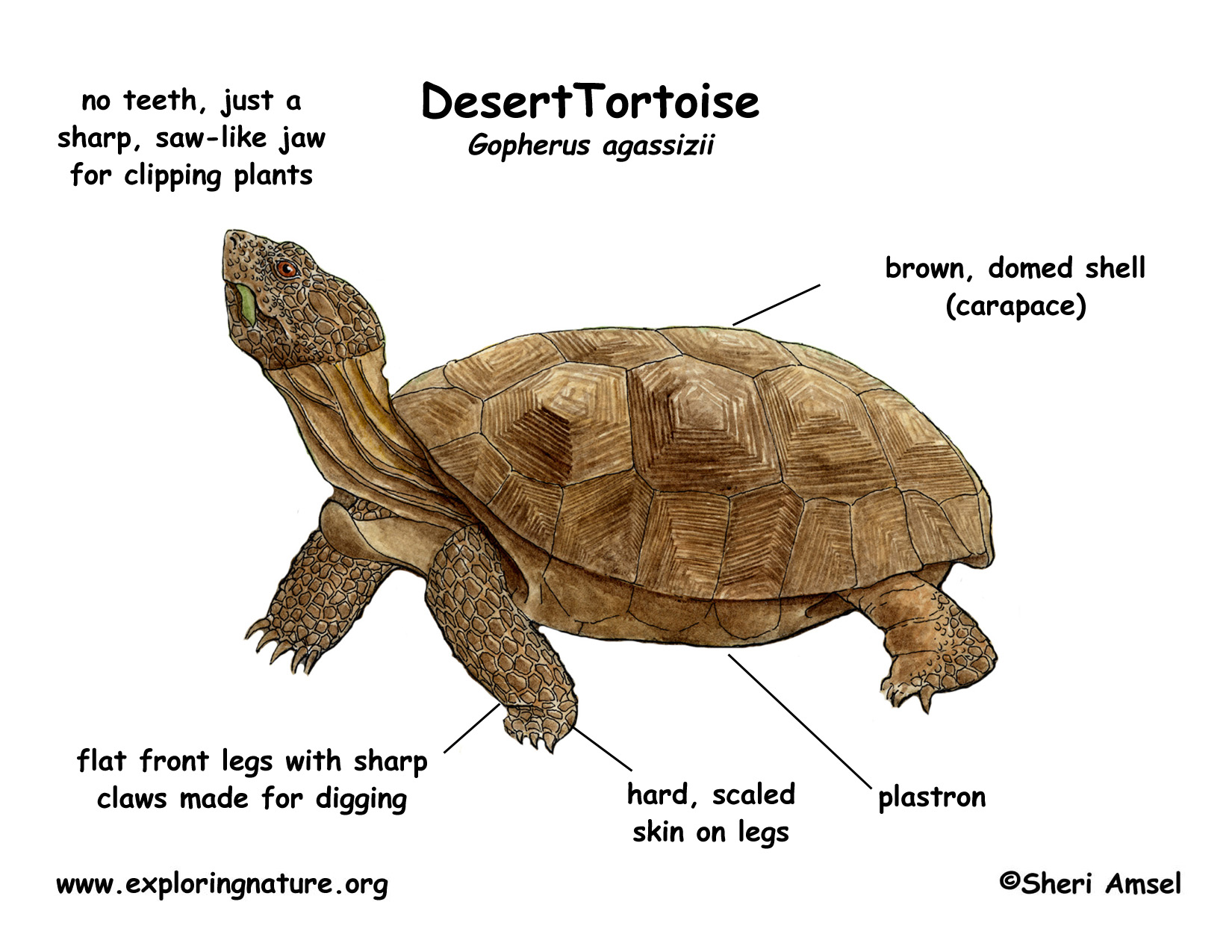
Tortoise (Desert)
burrow. The gopher tortoise egg's are round and about the size of a ping pong ball, they incubate for about 80 - 90 days, The sex of the offspring is determined by the temperature of the sand or dirt where the nest is incubating, if the temperature is above 30deg C (85deg F), the

gopher tortoise burrow diagram - Google Search | MSM ...
Gopher Tortoise Burrows. A gopher tortoise burrow. Photo by Arlo Kane, Florida Fish and Wildlife Conservation Commission, Bugwood.org. You can identify a gopher tortoise burrow by its distinctive features. The entrance will be wider than it is tall. The hole also has a mound of sandy soil in front of the entrance.
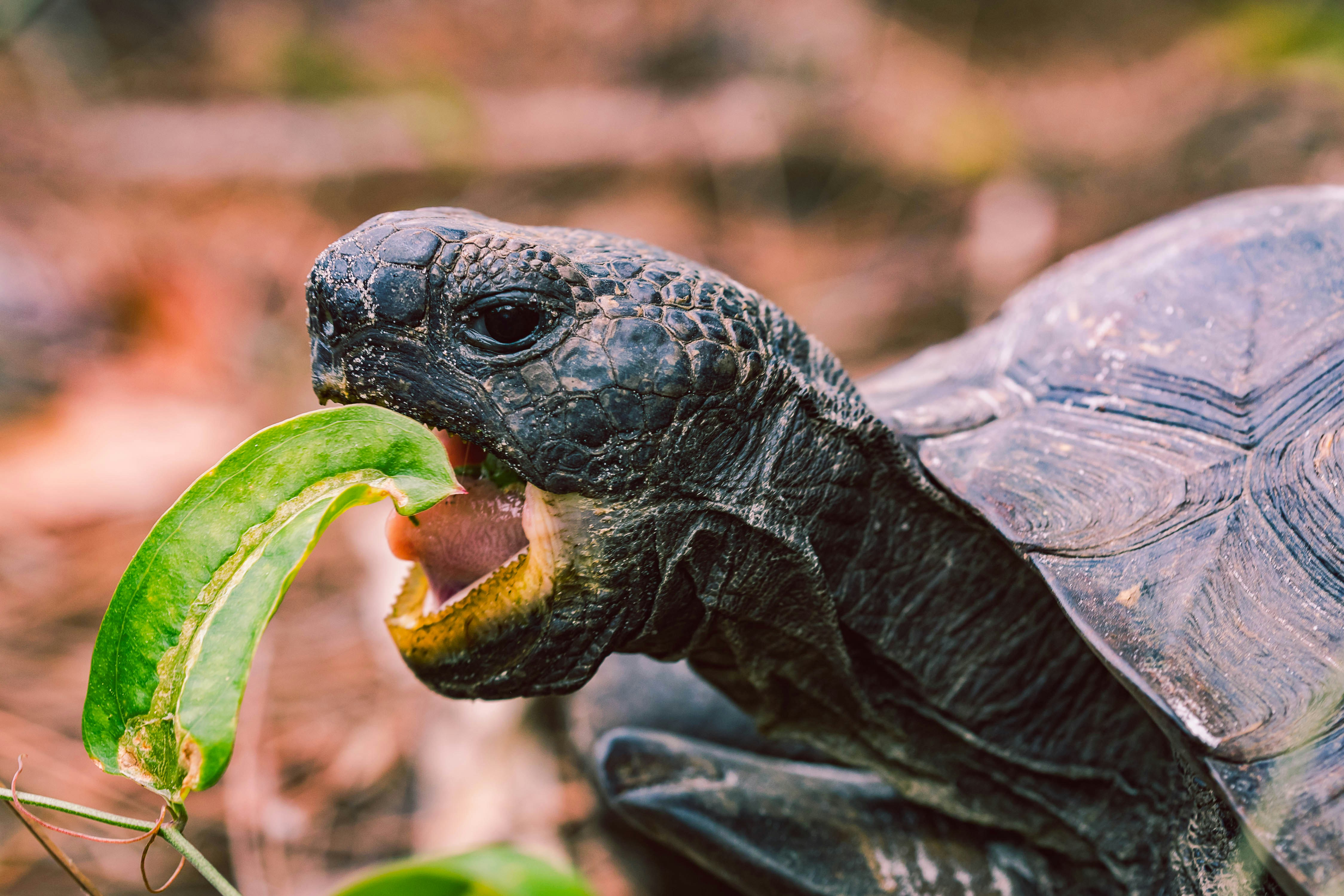
Snapped this image of an endangered gopher tortoise munching on some leafy snacks!
02.06.2017 · Gopher tortoise burrow entrances will be roughly the same size as the tortoise occupying it and will have a half-moon shape with greater horizontal than vertical length. If a burrow is taller than it is wide, or has a more circular shape, it probably belongs to another animal. Burrow length is another factor to consider – if the burrow is shallow it probably …
Gopher Tortoise Burrow Diagram
Because gopher tortoises are protected in Florida, handling and relocation of gopher tortoises is an illegal activity unless conducted under a valid permit issued by FWC. In accordance with the Gopher Tortoise Permitting Guidelines , an FWC relocation permit must be obtained before disturbing burrows and conducting construction activities.

gopher tortoise burrow diagram - Google Search | MSM ...
11.11.2018 · Gopher Tortoise Burrow Diagram. Gopher tortoises are so named because of their ability to dig large, deep burrows . These burrows are widely used by other species throughout the ecosystem. Without a doubt, the burrow is the most important feature of gopher tortoise biology. In east-central Florida, burrows average m (15 ft.) long and 2 m (6 ft.) .
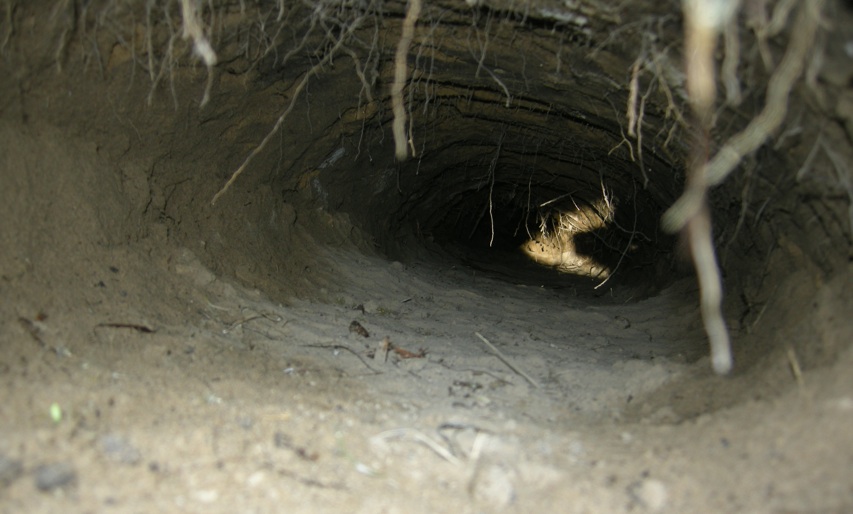
Gopher Tortoises, Making Deep and Meaningful Burrows ...
Gopher Tortoise Digging a Burrow(no sound)

gopher tortoise burrow diagram - Google Search | MSM ...
STEP 9: Decorate the burrow. • We use aluminum wire to tie the commensal species to the burlap, twist ties would also work • Attach the plants along the outside of the burrow for decoration. STEP 10: Test it out! o For kids of all ages and for the kid at heart! *Orange “Gopher Tortoise” cones can be ordered from: SC Supply Company LLC

(Top) Excavated nest in relation to the burrow entrance ...
Active gopher tortoise burrows are easily identified by their classic flat bottomed, high domed appearance and characteristic area of excavated soil in front of the opening called the apron. Tortoise burrows gently slope down, whereas mammal burrows usually slope straight down. Tortoise burrows are usually proportionate to the size of individual occupying the burrow. …

Illustration of animals in winter arctic burrow Stock ...
Idealized conceptual sketch showing a cut-away view through a gopher-tortoise burrow with many additional burrows made by other animal species. Note especially the short horizontal tunnels near the burrow top, which would have been made by hatchling tortoises, and the vertical shafts that connect to these, which would have been made by Florida ...
Gopher tortoise (Gopherus polyphemus) in sandhill habitat ...
Gopher Tortoise Council November 13th, 2020 Volume 40, Number 2 The Tortoise Burrow Page 2 “Like” us on Facebook to get more gopher tortoise news and Council updates! Stay tuned for more details on our website: www.gophertortoisecouncil.org, or follow us on Facebook. Photo by Jason Herbert Annual Meeting T-shirt Fundraiser

Closeup of skeleton hand model
Burrow widths varies with the length of the tortoise, as it needs to be wide enough for the tortoise to turn around in the burrow. So this means a 30-cm (12 in) wide burrow can accommodate a tortoise of that length or less. The powerful front limbs of tortoises are specially adapted for digging, ending in flat, spade-like feet with stout claws.

gopher tortoise burrow diagram - Google Search | MSM ...
Burrows. In gopher tortoise ecology, burrows are important. It is a refuge that defends and protects them from predators, fire, and changes in the season and temperature. As said before, they spend 80% of their time in their burrow. There, they rest and defecate. Still, when outside, their activities are centered around their burrows.

gopher tortoise burrow diagram - Google Search | MSM ...
Gopher tortoises grow to be up to 15 inches long and weigh from eight to 15 pounds. With their strong elephant-like back legs and front feet specialized for digging, they are well-adapted to burrowing. The burrows provide gopher tortoises with protection from predators and from the elements by maintaining a fairly constant environment inside.

Photograph of the burrow entrance (left) of a Gopher ...

gopher tortoise burrow diagram - Google Search | MSM ...

The distribution of gopher tortoise burrows in different ...

gopher tortoise burrow diagram - Google Search | Tortoise ...
Gopher Tortoise Burrow Diagram

Our Herp Class: Natural History of the Gopher Tortoise ...
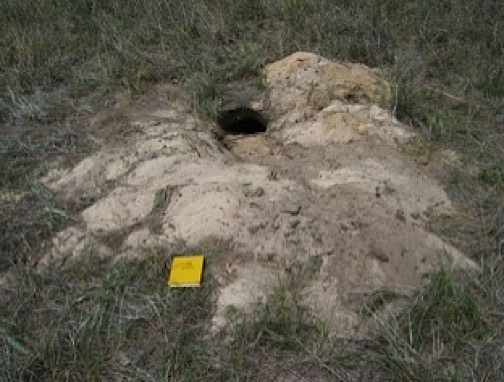
Gopher Tortoises, Making Deep and Meaningful Burrows ...
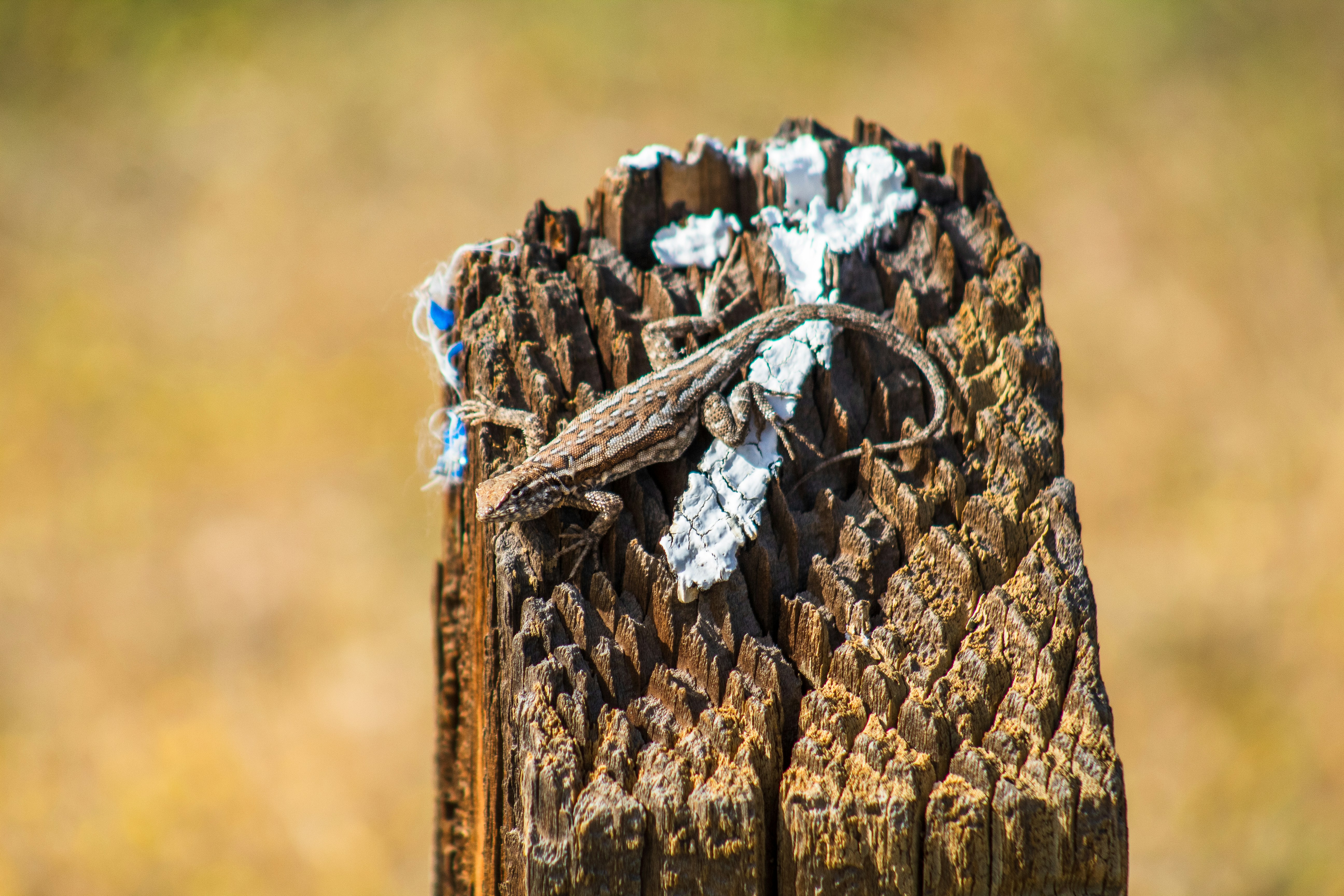
Lizard on a wooden trail marker @ Desert Tortoise Natural Area, California City, CA, USA

Threatened Gopher Tortoises Benefit from Florida Community ...

Distribution of gopher tortoise burrows in 2009 and major ...

Closeup of skeleton hand model

gopher tortoise burrow diagram - Google Search | Desert ...

Distribution of gopher tortoise burrows occupied by gopher ...

gopher tortoise burrow diagram - Google Search | MSM ...

Carapace length distribution of gopher tortoises captured ...

gopher tortoise burrow diagram - Google Search | Tortoise ...
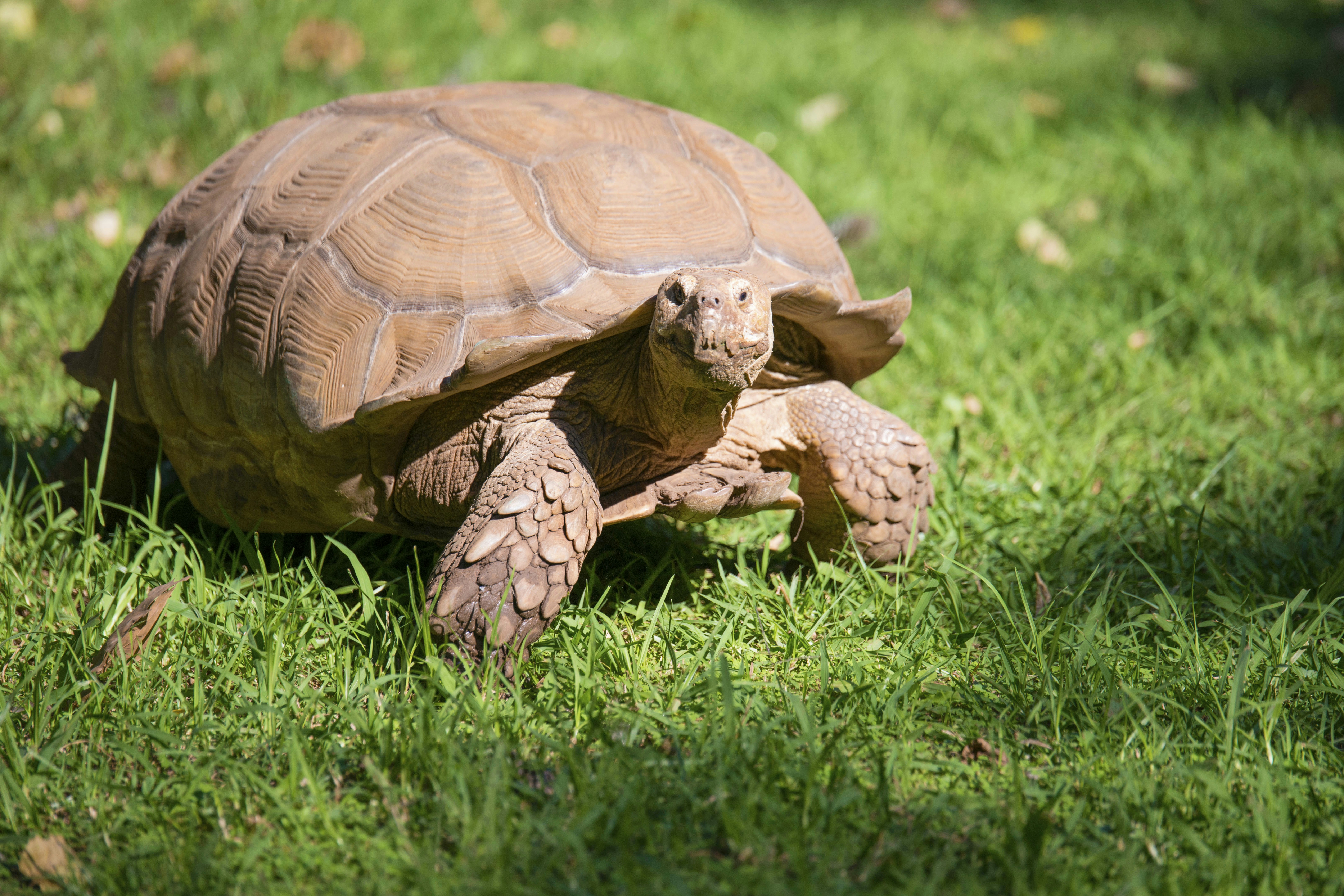
During a visit to the local zoo in Johannesburg and amongst all the “main†attractions, I was blessed to come across this very attentive little fellow. This got me thinking about life in general and the individual paths we walk. It is so easy to fall into the mistake of wishing we were this or that person, especially when they appear to be so much more larger than life than we seem to be. However trying to live up to somebody else’s standards and walking in somebody else’s shoes will never bring us true happiness. Be yourself, be unique, be true to who and what you are = true joy :)(:


Comments
Post a Comment